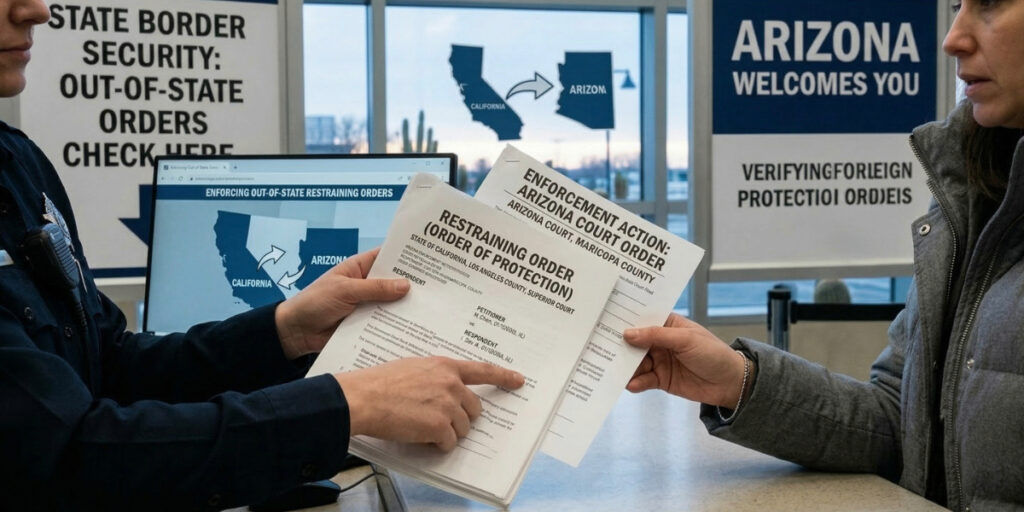
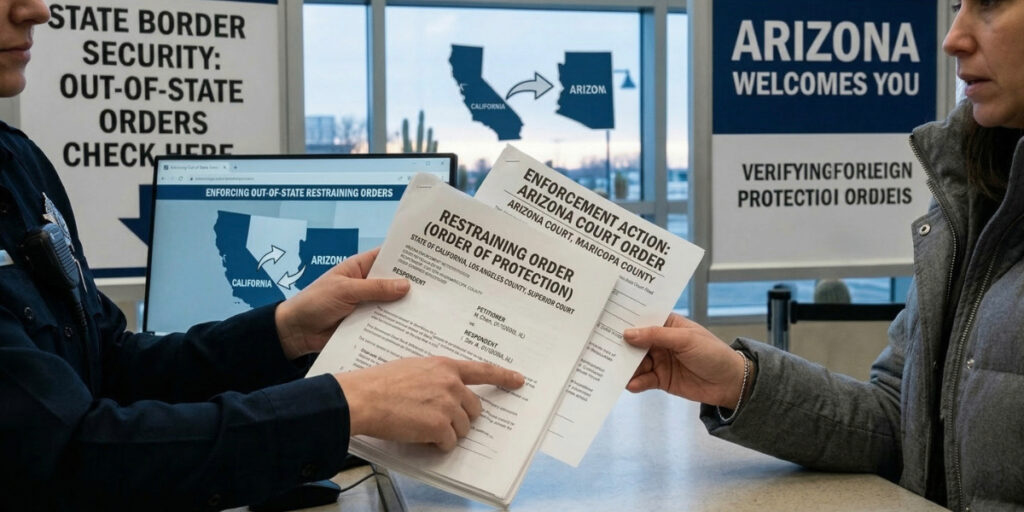
Out-of-State Restraining Orders: A Closer Look When Moving to Arizona
Moving to a new state is often an exciting step in anyone’s life, yet the process can become overwhelming when a restraining order is part of your past. Whether you are seeking safety from an abuser, the reassurance of legal protection, or a fresh start in a more secure environment, understanding how an out-of-state restraining order functions in Arizona is essential. This opinion editorial takes a closer look at the protection available under Arizona law, the practical steps involved, and some of the tricky parts you might face during the transition. In doing so, we will dig into each detail using clear language and relatable examples to help you figure a path through the legal system.
Relocating with an active protective order may seem nerve-racking and full of problems, but Arizona law, backed by federal guidelines, aims to preserve the safety measures already in place. In this article, we explore how these protective orders are enforced, whether registering them locally makes a difference, and what to do if the order is violated after the move.
Understanding Restraining Orders in Arizona
At its most basic level, a restraining order is a court order designed to protect an individual from abuse, harassment, threats, or unwelcome contact. In Arizona, the term typically used is “order of protection,” although filings such as an injunction against harassment or a workplace injunction might also apply depending on the situation and the relationship between the involved parties. Here, we dig into what these legal documents mean and how they serve as a shield for those at risk.
Defining Arizona Protective Orders
In simple language, an order of protection is meant to restrict contact and ensure the safety of the person who has filed it. Under Arizona statutes, notably A.R.S. § 13-3602, these orders can limit or stop any abusive behavior by setting boundaries—no calls, messages, or visits allowed. While legal jargon may sometimes obscure the practical implications, think of these orders as a legal “no entry” sign aimed specifically at keeping abusers away from you or your family.
Due to the confusing bits of legal terminology, many people still refer to all such measures as “restraining orders” even when the precise legal designation may differ. The key point is that regardless of the title, the order is there to impose legal consequences should the abuser ignore its terms. Moreover, these orders are often instituted on an urgent basis, initially taking the form of a temporary order pending a full court hearing, and later being made permanent after the hearing if justified by the evidence.
Table: Types of Protection Orders in Arizona
| Type of Order | Usage | Legal Reference |
|---|---|---|
| Order of Protection | Domestic violence cases involving family or household relationships | A.R.S. § 13-3602 |
| Injunction Against Harassment | Cases where harassment occurs but the relationship does not qualify for an order of protection | A.R.S. § 12-1809 |
| Workplace Injunction | To address harassment in the work environment | A.R.S. § 12-1810 |
Understanding these categories helps demystify the legal terms and makes clear that no matter which type of order you hold, there is a framework in place designed to keep you safe.
How Federal Law Supports Out-of-State Restraining Orders
One of the cornerstones of enforcing an out-of-state protection order in Arizona is the principle of “full faith and credit” found in the United States Constitution. This idea is fundamental when considering how another state’s order maintains its protective power even after a move. Federal law, including provisions under the Violence Against Women Act (VAWA), works in tandem with state statutes to ensure that safety measures follow a person across state lines.
Full Faith and Credit: What Does It Mean?
The “full faith and credit” clause requires that legal decisions and judgments from one state are recognized and enforced in another, as long as specific legal criteria are met. In the context of restraining orders, this means that if you obtained a valid order in another state—where the court had jurisdiction, notice was given, and the order is still active—Arizona is likely to enforce it without undue delay.
Here are the small distinctions that authorities consider when enforcing such orders in Arizona:
- The issuing court had proper jurisdiction: The court in the original state legitimately evaluated the case.
- Proper notification: The restrained person was informed of the proceedings in a fair manner.
- The order remains active: The restraining order has not expired or been legally modified.
By ensuring these criteria are met, law enforcement in Arizona helps maintain continuity in protection even if you have moved far from where the order was originally issued.
Registering Your Out-of-State Restraining Order in Arizona
One frequently asked question by individuals moving into Arizona is whether they need to formally register their out-of-state restraining order with local authorities. While the answer is generally no—the order remains enforceable even if it is not registered—there are several potential benefits to registration that are worth considering.
Benefits of Registering a Restraining Order
Registering your order can simplify interactions with local law enforcement and reduce potential delays in enforcement. Here are some of the key advantages:
- Faster Response: Local copies on file can speed up police action during emergencies.
- Clarification of Record: A registered order minimizes any confusion about its validity or details, especially if the original document’s appearance varies from state to state.
- Local Accessibility: It provides a direct point of reference for local courts, ensuring that your right to protection is always on display within Arizona’s legal system.
The Registration Process: A Step-by-Step Outline
While the process might seem intimidating at first, the following steps can help you work through the key points:
- Contact the local courthouse: The clerk’s office can explain the paperwork and process, although they cannot offer legal advice.
- Filing a copy: Bring a certified copy of the out-of-state order along with any supporting documents to your local court.
- Maintain confidentiality: If safety concerns are paramount, request that your address or personal details be kept confidential using available protective measures.
Even though these steps might seem like tangled issues, they are designed to ease you into a more secure legal footing while you adjust to your new surroundings.
Temporary vs. Permanent Orders: Handling the Transition
An important consideration for those who have relocated involves understanding whether your order is temporary or permanent, and what implications that carries. Temporary orders are often issued on short notice to ensure immediate safety and remain in place only until a formal hearing. In contrast, permanent orders follow a full court process and can offer longer-lasting protection.
Understanding the Differences
Temporary restraining orders are typically granted to provide urgent safety until a comprehensive review can be conducted. These orders are issued quickly and for a limited period. Permanent orders, though sometimes misleadingly called “permanent,” are not necessarily eternal but are intended to last a significantly longer time, contingent on the circumstances of the case.
Table: Comparison of Temporary and Permanent Orders
| Aspect | Temporary Order | Permanent Order |
|---|---|---|
| Duration | Short-term, usually pending a hearing | Longer-lasting, subject to periodic review |
| Issuance Process | Fast-tracked for immediate protection | Comes after a full court hearing |
| Flexibility | Often needs to be revisited quickly | May include detailed terms and conditions for prolonged enforcement |
If you are moving and still operating under a temporary order, it’s essential to keep track of any scheduled hearings or paperwork from the state where the order was issued. This vigilance is key in avoiding any complications that might otherwise limit your protection.
What Happens If the Order Is Violated in Arizona?
Despite the reassurance provided by restraining orders, violations do occur. When an abuser crosses the line by contacting or approaching the protected person, the Arizona legal system can and will step in quickly. Understanding what steps to take if such a violation happens ensures that you are not left to figure a path through the aftermath on your own.
Immediate Steps to Take Following a Violation
Here are some actionable measures you should consider if you believe that your restraining order has been breached:
- Call law enforcement immediately: Explain the situation and ensure that officers have your order readily available.
- Document every detail: Save texts, emails, photographs, and notes about the incident. Even seemingly minor actions can be important when establishing a pattern of abuse.
- Request a copy of any police reports: These records can further support your case if you decide to pursue additional legal protection or modifications to the existing order.
Arizona law takes violations very seriously. Under A.R.S. § 13-2810, individuals who knowingly violate judicial orders can face arrest and subsequent legal consequences. This crackdown on violations is not only meant to punish but also to deter abusers from attempting to undermine your safety.
Examples of Violative Conduct
To illustrate, consider these typical examples of what may constitute a violation:
- Direct contact: The abuser makes repeated phone calls or sends multiple messages after an explicit no-contact condition is set.
- Unwanted personal visits: In spite of a clear order, the individual appears at your home or workplace.
- Indirect harassment: The abuser may enlist another person to contact you or engage in coercive behavior through online platforms.
Even when the violation involves subtle contact, such as a well-timed text meant to intimidate, documenting every detail is critical. Each small piece of evidence can contribute to creating a comprehensive picture that reinforces why additional protections might be needed.
Intersecting Family Law and Restraining Order Concerns
It is important to note that restraining orders can intersect with family law matters, such as child custody, parenting time, and spousal support. When moving to Arizona with an active order, any ongoing family law cases might get complicated due to jurisdictional issues and the roles of different courts. This overlap often introduces several tricky parts that require careful handling.
How Custody and Restraining Orders Interact
Family law courts in Arizona base custody decisions on the best interests of the child, as outlined in A.R.S. § 25-403. The existence of a restraining order can be a super important factor during custody disputes, especially if there is a history of domestic violence or harassment. Courts may impose contact restrictions, require supervised exchanges, or adjust visitation schedules based on the safety concerns indicated by the order.
The following points highlight the possible impacts on family law cases when a restraining order is in effect:
- Limited Contact: The order may dictate that the abuser has limited or no contact with the children.
- Supervised Visitation: To ensure child safety, the court may require supervised visits.
- Influence on Custody Decisions: History of abuse, as evidenced by the need for a restraining order, may affect custody arrangements significantly.
Family law problems can become even more loaded with issues when dealing with orders issued in another state. In cases where custody and restraining orders intersect, it’s advisable to obtain legal guidance to help sort out these tangled issues. Professionals can help determine whether a new local order is necessary or if the existing one can continue to serve its purpose.
Legal Information and Support: Navigating the System
For many, the legal landscape involving restraining orders is filled with twists and turns that can leave one feeling lost and uncertain. Fortunately, there is a wealth of resources designed to assist victims of abuse and those confronted with intimidating legal challenges after moving. Local shelters, advocacy groups, and even online legal self-help centers can provide immediate support and guidance.
Useful Resources for Victims of Abuse
A few trustworthy sources include:
- Local Shelters and Advocacy Centers: These organizations often have dedicated legal hotlines, emergency counseling, and advice related to managing restraining orders.
- Court Self-Help Centers: Many courts provide materials that explain the process in everyday language, helping you get around the more complicated bits of legal procedure.
- National Support Networks: Websites such as WomensLaw.org offer reliable information regarding protective orders and other protective measures.
- Legal Paraprofessionals and Family Law Attorneys: These professional resources are invaluable when you need personalized guidance navigating multiple aspects of restraining orders, custody, and related matters.
While obtaining general legal information online is useful, remember that it does not substitute for personalized legal advice. Given that every situation is slightly different, speaking with a legal professional can help you figure a path through the delicate interplay of protective measures and family law.
Addressing Common Concerns About Out-of-State Orders
Moving while under the protection of a restraining order undoubtedly raises many questions. Below, we address a series of frequently asked questions that highlight the confusing bits associated with the process and compare them with practical recommendations.
Frequently Asked Questions
Can I move to Arizona and still keep my restraining order?
Yes, most valid orders issued in another state will still be enforced in Arizona as long as the proper criteria are met. Federal and state laws work together to ensure that your protection is not withdrawn simply because you have relocated.
Do I have to register my out-of-state restraining order in Arizona?
Registration is generally optional. However, filing your order locally can ease future interactions with law enforcement and help avoid delays if an incident occurs.
Can Arizona courts modify the original order?
Typically, the original issuing court maintains exclusive authority to modify or extend the order. If modifications are needed after moving, you may be required to work through legal channels either in the original state or via local proceedings depending on the circumstances.
What should I do if I don’t have my paperwork on me?
It is essential to secure a certified copy of your restraining order as soon as possible. Having a digital or paper copy readily available can prove super important when you call the police.
What if the restraining order expires after I move?
If your order is nearing its expiration or already expired, you may need to either request its renewal locally or return to the issuing court to secure an extension. Legal advice is particularly key in these situations.
How Legal Paraprofessionals Provide Affordable Assistance
Given the charged nature of such legal transitions, many find it intimidating to pursue help from traditional attorneys, which may come with high fees. This is where legal paraprofessionals come into play, offering expert support with a more affordable fee structure. In Arizona, professionals like Stephanie Villalobos—recognized as the first Legal Paraprofessional approved by the Arizona State Bar—have decades of experience handling cases involving restraining orders, custody, and other family law issues.
Benefits of Using a Legal Paraprofessional
Legal paraprofessionals provide a blend of expertise and affordability that many find appealing in complicated situations such as moving with an active restraining order. Here are several ways in which these professionals can help you:
- Direct Guidance Through Paperwork: They assist in sorting out filing procedures and clarifying which documents are essential for local enforcement.
- Clarification of Court Procedures: Their practical experience helps demystify the fine points of court processes, often making the transition smoother and less intimidating.
- Customized Support for Family Law Issues: When shared custody or spousal support is involved, legal paraprofessionals can provide strategies for working through the little details that might otherwise be overlooked by standard practices.
- Cost-Effective Assistance: Their fees are typically lower than those of traditional attorneys, which can be a critical factor if you are rebuilding your life after experiencing abuse or significant personal disruption.
These professionals not only help with the legal steps but also provide reassurance during a period that can feel full of problems and on edge. Clear communication and steady guidance from a skilled legal paraprofessional can make all the difference in ensuring that you remain fully protected during your transition to Arizona.
Making Your Move Safe: Key Takeaways and Final Thoughts
The process of moving with an active restraining order involves several challenging parts that require careful attention. However, by understanding the legal framework, knowing whether or not to register your order, and being prepared to document any violations, you can maintain the level of safety you need during this transformative time.
To summarize the super important points:
- Validity and Enforceability: Out-of-state restraining orders remain valid in Arizona provided they meet jurisdictional standards and due process requirements.
- Registration is Beneficial: Although not mandatory, registering your order locally can simplify the process if urgent action is required.
- Different Orders, Different Actions: Understanding whether you hold a temporary or permanent order will help you manage court dates and other legal obligations more effectively.
- Document Everything: Whether it’s a physical copy of your order or written records of any violations, maintaining thorough documentation is indispensable.
- Family Law Complications: If custody or other family law issues are involved, additional legal steps might be necessary to preserve both your safety and your rights as a parent.
- Seek Professional Guidance: Working with a seasoned legal paraprofessional or attorney ensures that you have clear, accessible advice tailored to your unique situation.
While legal systems across state lines might seem daunting or full of tangled issues, the measures in place—from federal laws to local enforcement protocols—are designed to protect victims and promote justice, regardless of where you live. The key is being prepared and proactive. Don’t be afraid to call on experienced professionals who can help you work through the complicated pieces of this process.
Looking Forward: The Future of Protection in a Mobile Society
Our society is more mobile than ever, and the likelihood of crossing state borders with an active restraining order is increasing. This means that states like Arizona must continually update and refine their legal apparatus to address these challenges effectively. The federal backing, coupled with state-specific procedures, ensures that protective measures are not only maintained but also evolved to meet contemporary needs.
As legal professionals and regular citizens alike watch this evolution, the conversation around safety, mobility, and legal protection will continue to be relevant. There is a growing need for accessible information that demystifies these processes. Such clarity is key for anyone who is trying to start over in a safe environment while ensuring that past protections remain intact.
Challenges and Opportunities in a Mobile Legal Landscape
The legal system’s task of working through jurisdictional challenges and the twisted bits of enforcing orders across state lines is nothing short of a formidable undertaking. Yet, it is also an opportunity to set a standard that prioritizes human safety above administrative hurdles.
Arizona’s approach, reflective in the enforcement of out-of-state restraining orders, presents an example of how legal systems can adapt to the needs of an increasingly mobile society. By respecting the original courts’ decisions and providing local avenues for registration and enforcement, the state secures a safety net for those who move seeking a fresh beginning.
In addition, continued collaboration between federal guidelines and state-specific procedures ensures that the system remains flexible, even if at times it appears loaded with issues or nerve-racking procedures. Ultimately, this partnership is intended to protect the individual—making sure that legal protections do not get lost in the shuffle of a cross-state move.
Conclusion: Staying Protected in Times of Change
Moving with an active restraining order is a process mingled with both opportunities and challenges. While the legal nuances might seem intimidating, the overarching goal remains clear: your safety comes first. Whether your order is temporary or permanent, registered or not, Arizona law works to honor the protection once established, ensuring continuity and peace of mind as you settle into your new surroundings.
The key is to be proactive. Keep your documentation handy, be prepared to work through the fine details of the process, and seek help from knowledgeable legal paraprofessionals when needed. Remember, the system is designed to help you—allowing you not only to keep your shield of protection intact but also to build a stable foundation for a safer, brighter future.
In this rapidly changing legal landscape, every step you take serves as an investment in your personal well-being. It is both critical and super important to maintain awareness of your rights, understand the scope of your restraining order, and use available resources to ensure that safety is never compromised. Whether it means registering your order locally, documenting every instance of violation, or consulting with a qualified legal professional, doing so is essential for safeguarding your future.
As you navigate and figure a path through these issues, remember: you are not alone. With the right guidance, the process can transform from a nerve-racking maze into a series of manageable steps toward renewed safety and stability. If you ever feel that the road ahead is fraught with confusing bits or that the twists and turns are too complicated to handle alone, reach out to experts who can help ensure that justice is served and that you remain protected through every move.
Ultimately, the enforcement of out-of-state restraining orders and the evolving nature of family law in a mobile society underscore the importance of a legal system that is as flexible as it is rigorous. Let this serve as a reminder that no matter how challenging the transition may be, protection under the law follows you—every step of the way.
Read more about this topic at https://www.denovolawaz.com/out-of-state-restraining-orders-what-happens-when-you-move-to-arizona/
Related articles you might like
Registering Other States’ Custody and Support Orders in …
Enforcing an Order – Protective Orders – Texas State Law Library
