Introduction: Sporting Events and the Risk of Felony Assault in Arizona
Large sporting events in Arizona are known for bringing communities together under the banner of shared passion and energy. Whether you’re cheering for the Cardinals in Glendale or rooting for the Suns in Phoenix, these events create a festive atmosphere. However, behind the excitement and camaraderie lies a legal landscape that can quickly shift a seemingly minor scuffle into a felony assault charge. In this opinion editorial, we take a closer look at how the twists and turns of Arizona’s assault laws at sporting venues can escalate simple encounters, explore the legal definitions involved, and examine potential defenses when the stakes are high.
The following discussion is designed to help everyday citizens understand the legal process, recognize the small distinctions between various offenses, and appreciate the need for sound legal counsel when emotions run high. We will also highlight some of the common scenarios witnessed at sporting events that lead to aggravated assault charges, along with the penalties and defense strategies available.
Understanding Arizona’s Simple Assault Law: The Nitty-Gritty of ARS 13-1203
Arizona law defines simple assault under ARS 13-1203, an important statute that covers the basic elements of assault. Under this law, a person commits assault if they intentionally, knowingly, or recklessly cause physical injury to another person. Alternatively, assault can be charged when a person places someone in reasonable fear of imminent physical harm or if they knowingly touch another individual with the intent to injure, insult, or provoke.
This statute is aimed at addressing those incidents that might seem like minor scuffles. For example, a heated argument at a tailgate party, where one fan shoves another, can be considered simple assault. Such situations are often charged as misdemeanors and can involve penalties like up to six months in jail, fines, and probation. Even though a misdemeanor may seem less intimidating than a felony charge, its consequences—such as orders of protection, loss of firearm rights, and long-lasting marks on one’s record—can affect a person’s future significantly.
When a Minor Scuffle Becomes a Felony: Diving Into Aggravated Assault Under ARS 13-1204
While simple assault might appear to be straightforward, the law takes a very different view when certain factors come into play. Aggravated assault under ARS 13-1204 elevates what might seem like a trivial altercation to a far more serious charge. This statute focuses on situations where the underlying behavior leads to substantial physical injury or the use of an object that is readily capable of causing serious harm.
Key factors outlined in ARS 13-1204 include:
- Causing serious physical injury, as defined under ARS 13-105
- Using a deadly weapon or any dangerous instrument during the assault
- Assaulting a recognized peace officer or another protected individual while they are fulfilling their official duties
- Assaulting someone after entering their home or targeting a restrained or incapacitated person
For example, an incident that might have begun as a brief shove can turn severe if the injury is serious enough to meet the statutory definition. Likewise, if an object like a beer bottle, a chair, or even a vehicle is used during the conflict, it can be labeled as a dangerous instrument and elevate the charges from a misdemeanor to a felony. This highlights the delicate balance in the law, where small distinctions can lead to entirely different legal consequences.
Sports Events: The Tense Setting for Escalated Legal Outcomes
Sporting events inherently come with a charged atmosphere. Crowds are large, emotions are high, and the presence of alcohol can muddy judgment. This combination often leads to situations where a minor dispute spirals out of control, producing a charged legal predicament.
Consider these scenarios commonly witnessed during sporting events:
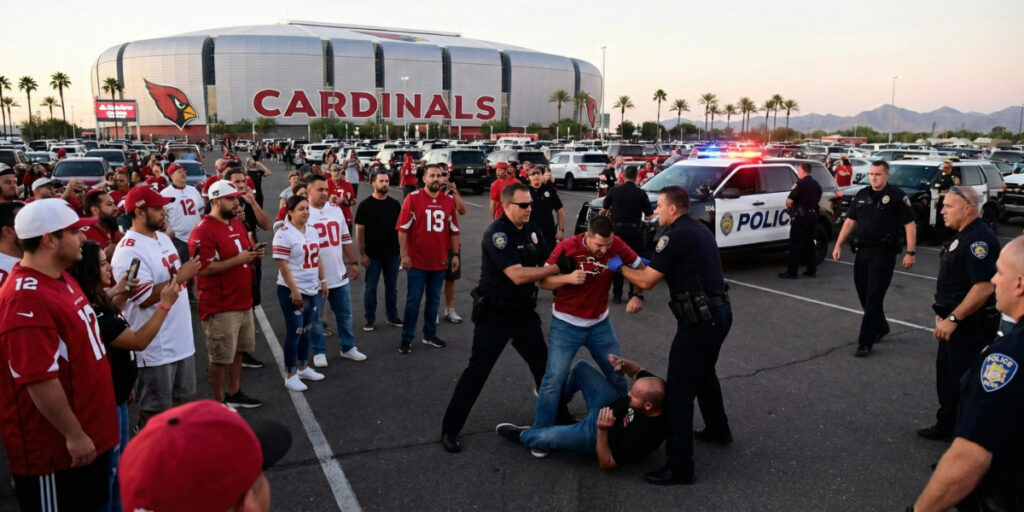
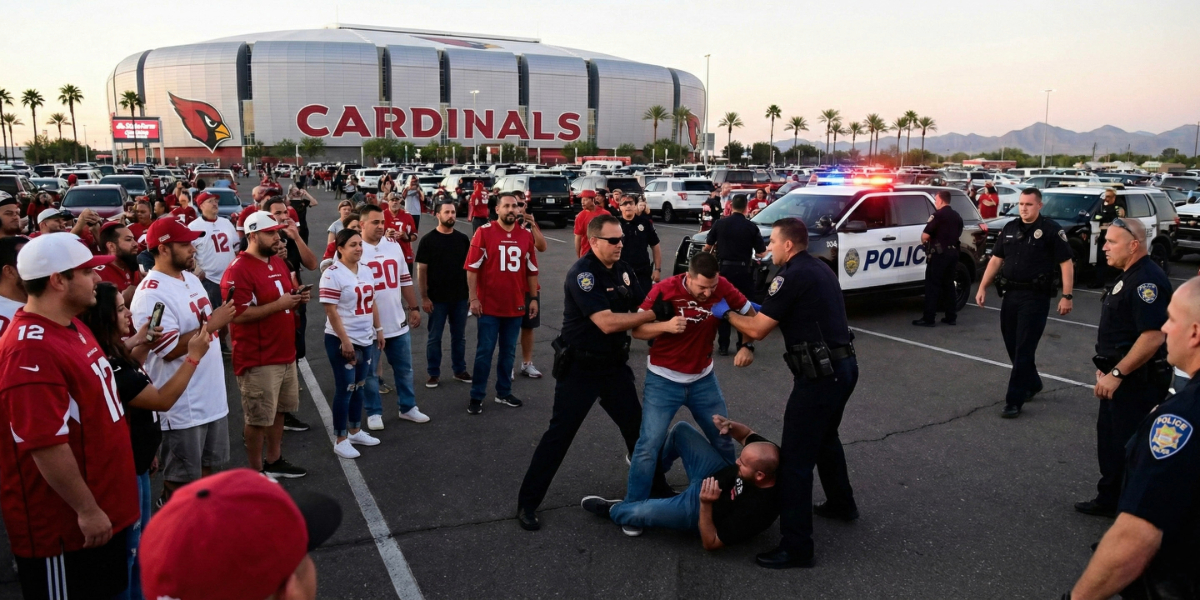
- Tailgate Disputes: These events are full of tricky parts where rival fans might argue over parking spaces, loud music, or territorial boundaries. A shove or punch in such a tense setting can result in serious injuries—leading prosecutors to consider aggravated assault charges.
- Bar Fights after the Game: Once the final buzzer sounds, fans often gather at local bars. Arguments can escalate quickly, especially if someone uses objects such as a bar stool, pool cue, or even a bottle during a fight. These items, when used aggressively, may be deemed as dangerous instruments.
- Confrontations with Security or Police: In some cases, the tension escalates when law enforcement intervenes. If a fan or bystander makes physical contact with a uniformed officer or security personnel, the charges can immediately escalate to aggravated assault on a peace officer—a decision that carries heavy felony penalties.
- Intervention Gone Wrong: There are instances when someone, trying to break up a fight, becomes involved and ends up triggering an assault charge themselves. Even if their intentions were protective, the chaotic circumstances can lead to a felony charge if injury occurs.
These examples underscore the importance of understanding that reactions in an emotional environment—especially one loaded with alcohol and high stakes—can have far-reaching legal implications.
Legal Penalties: The Overwhelming Consequences of Felony Aggravated Assault
Felony aggravated assault is never taken lightly in Arizona. The penalties for such an offense are influenced by various factors, including the extent of the injury, the use of a dangerous instrument, and the defendant’s criminal history. The following table provides an overview of potential sentencing ranges for first-time offenders based on the class of felony:
| Felony Class | Typical Circumstances | Prison Range for First Offense | Relevant Statutes |
|---|---|---|---|
| Class 2 Felony | Serious physical injury or use of a deadly weapon | 7 to 21 years | ARS 13-1204(A)(1),(2); ARS 13-704 |
| Class 3 Felony | Temporary but substantial disfigurement | 5 to 15 years | ARS 13-1204(A)(3); ARS 13-702 |
| Class 4 Felony | Assault on a peace officer or protected victim | 4 to 8 years | ARS 13-1204(A)(8) |
| Class 6 Felony | Less severe aggravating factors | 1 to 2.5 years | ARS 13-1204(B) |
In addition to incarceration, a felony conviction may result in fines of up to $150,000, probation, restitution orders, and a permanent mark on your criminal record. The system is designed to be tough on violent behavior, reflecting the state’s stance on protecting public safety, but this rigidity can also mean that the legal process is filled with tricky parts and surprising twists.
Legal Defense Strategies: Finding Your Path Through a Tense Situation
The road to defending oneself against an aggravated assault charge is full of tangled issues. When an incident takes place in the charged atmosphere of a sporting event, defendants may find themselves in a situation that is both nerve-racking and full of problems. Effective defense strategies must address not only the evidence at hand but also the confusing bits of the incident itself. Here are several defense strategies that can be considered:
Self-Defense and Defense of Others
Under Arizona law, an individual is allowed to use reasonable force to protect themselves or others from immediate harm. This is a cornerstone in many assault cases. If you can demonstrate that you genuinely believed force was necessary—or that you acted to defend someone else—you might be able to justify your actions legally. This defense is based on the fine points of law that consider both intent and context.
Lack of Intent
Aggravated assault charges often hinge on whether the accused acted intentionally. If evidence shows that the injury was caused accidentally or without deliberate intent, it may be possible to argue that the legal criteria for a felony charge have not been met. Attorneys may work with expert witnesses to poke around at the specifics of the injury, potentially showing that it was less severe than initially claimed.
Disputing the Severity of the Injury
One of the key elements that upgrades a simple assault to an aggravated charge is the level of injury sustained by the victim. By getting into the medical records and consulting with experts, attorneys can sometimes challenge whether the injury conforms to the legal definition of “serious physical injury.” Subtle parts of the case, such as small distinctions in medical testimony, become essential in this line of defense.
Challenging the Classification of Dangerous Instruments
Not every object used in an altercation qualifies automatically as a dangerous instrument. The context in which the object was used is critical. If an attorney can illustrate that the item in question was not used in a manner that posed a significant threat—despite initial appearances—the charge might be reduced or even dismissed. This strategy requires careful examination of what the object was and how it was employed during the incident.
Violations of Constitutional Rights
If law enforcement overstepped their bounds—such as by violating your Fourth Amendment rights during arrest—this may provide grounds to have key evidence suppressed. Any misstep in the arrest process can become a pivotal point in the defense strategy, thereby steering through some of the more challenging twists in the case.
Real Life Cases: Learning from Past Sporting Events
It is important to recognize that the transformation of a minor scuffle into a felony charge is not merely theoretical. Several real-world examples from Arizona sporting events illustrate how the chaotic environment of game days can lead to life-changing legal consequences.
Case Study 1: A Tailgate Tussle in Tempe
During a college football rivalry game in Tempe, two fans found themselves embroiled in a heated argument in the parking lot. What began as a seemingly harmless dispute escalated when one fan shoved another. The victim fell and struck his head on a truck bumper, suffering a skull fracture that required immediate surgery. Despite the initial act being just a shove, the resulting injury met the legal criteria for serious physical injury. Consequently, prosecutors categorized the incident as a class 2 felony aggravated assault.
Case Study 2: A Post-Game Bar Brawl in Phoenix
After a playoff basketball game in downtown Phoenix, a fight erupted between rival fans at a local bar. One individual swung a metal folding chair, causing a deep laceration that required medical attention. Despite the chaotic circumstances and the fact that alcohol was involved, the use of a metal chair—which the court designated as a dangerous instrument—resulted in a charge of aggravated assault as a class 3 felony. In both examples, seemingly simple physical altercations became laden with legal consequences far beyond what the parties originally anticipated.
The Role of Legal Representation: Why Early Involvement is Super Important
When facing any type of assault charge, engaging with an experienced attorney as early as possible is critical. The charged environment of an event can lead to hasty decisions by law enforcement, and by the time a case reaches court, many of the confusing bits of the incident may already be lost or misinterpreted. A seasoned lawyer can help figure a path through the quick decisions made at the scene by:
- Reviewing police reports and surveillance footage to accurately piece together the events
- Interviewing witnesses who were present during the incident, ensuring that all perspectives are considered
- Working with medical and forensic experts to establish the true nature and extent of the injury
- Challenging any procedural missteps or constitutional violations committed during the arrest
- Negotiating with prosecutors to potentially reduce charges from felony to misdemeanor, if justified by the evidence
With a background on both sides of the courtroom, many attorneys—especially those with prior experience as prosecutors—are uniquely positioned to guide defendants through this intimidating legal landscape. Their understanding of where the prosecutors typically focus allows them to target the small distinctions and subtle details that could make all the difference in a case.
Preventive Measures: Tips for Keeping Seas of Passion from Boiling Over
As much as the legal system plays a pivotal role in dealing with the outcomes of violent incidents, there are proactive measures that individuals and event organizers can consider to reduce the risk of such incidents escalating. Here are a few pointers:
- Watch your alcohol intake: Alcohol consumption in large, charged settings can impair judgment and lead to regrettable actions. Moderation can help keep interactions from becoming overwhelming.
- Respect personal space: In crowded events, miscommunications about personal boundaries are common. A little extra space can help avoid physical misunderstandings.
- Employ conflict resolution strategies: Recognizing early signs of tension and stepping back to defuse a situation can prevent an altercation from reaching a tipping point.
- Increase security measures: Event organizers should ensure that there is enough trained security to intervene early and prevent conflicts from escalating.
- Enhance communication: Clear and effective communication between event staff, security personnel, and law enforcement can help manage and mitigate potential risks.
Developing guidelines for safe behavior and clear conflict resolution procedures not only protects fans but also those who are in the position of serving and maintaining order. These steps, though simple, can be critical in reducing the charged atmosphere that otherwise leads to life-altering legal complications.
Considering the Broader Implications: Community Safety and Legal Policy
The legal issues described above are not isolated to individual cases; they also shed light on broader community concerns and the balance between public safety and personal liberties. When simple disputes escalate into felony charges, communities can be left questioning how best to protect both their safety and their rights.
This debate involves several tricky parts, including:
- Deterrence versus Rehabilitation: Striking the right balance between deterring violent behavior and ensuring that individuals have an opportunity to rehabilitate is a perennial policy challenge. While some argue that strict laws serve as a deterrent, others worry about the long-term consequences for individuals who may have made a momentary mistake.
- Public Perception of Justice: High-profile cases at sporting events can shape public opinion about the fairness and effectiveness of the legal system. When a minor scuffle results in a felony record, community members are left to ponder if the response was super important for safety or an overreaction that stifles personal freedom.
- Law Enforcement Discretion: The rapid decisions made by police officers at the scene undoubtedly play a significant role in shaping case outcomes. These decisions are critical, yet the environment in which they are made is often pressured and full of problems.
- Impact on Future Opportunities: A felony conviction, even for an incident that might have been provoked by the charged atmosphere of a game, can have serious implications on employment, travel, and other personal rights. This ripple effect makes each decision in these cases all the more significant.
These broader legal policy issues call for careful consideration, as lawmakers and community leaders strive to balance public safety with individual rights. They remind us that the regulation of behavior in public spaces, particularly during high-energy events, is a delicate matter that must account for both the safety of the community and the freedoms of its citizens.
Charting a Course Forward: The Importance of Early Legal Intervention
Given the tense and often unpredictable nature of large sporting events, having a plan in place to address potential legal entanglements is critical. If you ever find yourself or a loved one implicated in an incident that might escalate into a felony charge, prompt and experienced legal intervention can make all the difference.
Here are some steps to consider:
- Contact a Qualified Attorney Immediately: Time is of the essence. Early consultation allows your legal representative to gather crucial evidence, speak with witnesses, and preserve your rights before complications worsen.
- Document the Incident: If possible, ensure that all relevant details—such as video footage, witness contact information, and medical reports—are preserved. This documentation can be critical in establishing an accurate timeline of events.
- Avoid Further Conflict: Refrain from engaging in additional disputes that might complicate your legal defense. Following the incident, it is wise to coexist peacefully and avoid comments on social media or in public forums that could be construed as admissions of guilt.
- Understand Your Rights: Educate yourself on the legal definitions and conditions that apply to assault and aggravated assault under Arizona law. The more you know, the better positioned you will be to work through the legal system with your attorney.
These proactive measures are not just about damage control—they serve as a practical guide to help manage your way through the many twists and turns of the legal process. In scenarios where every minute counts, having a plan can mitigate the problems associated with rushed decisions and missed opportunities.
Conclusion: Safeguarding Your Future Amidst the Tense Landscape of Sporting Events
Large sporting events are a defining feature of community life in Arizona, providing moments of joy and celebration. Yet, the charged environments of these events also carry the hidden risk of legal complications that can alter lives in an instant. As we have seen, the law draws a sharp distinction between simple assault and aggravated assault, a distinction that rests on subtle parts and small distinctions in evidence and intent.
Whether it’s a tailgate dispute, a bar fight, or an accidental escalation during an attempt to break up a conflict, the repercussions can range from a misdemeanor to a life-altering felony conviction. The penalties can be severe—ranging from prolonged incarceration and hefty fines to long-term consequences such as loss of rights and a permanent criminal record.
The maze of legal issues is full of tricky parts, making it absolutely critical to seek early legal advice if you find yourself embroiled in such a situation. Experienced attorneys who understand both the fine points of the law and the charged atmosphere typical of sporting events can help you figure a path through this often overwhelming legal territory.
Ultimately, while the law aims to deter violence and uphold public safety, it is equally important for individuals and community leaders to take preventive measures. From moderation in alcohol consumption to increased security and clear conflict resolution strategies, there are proactive steps that can reduce the likelihood of an incident escalating into an assault charge.
For anyone facing these challenges in the wake of a sporting event altercation, remember that you do not have to face the legal system alone. Engaging with a knowledgeable lawyer as soon as possible can help protect your rights and potentially steer you away from the severe consequences that come with a felony conviction. With careful legal navigation and preventive measures in place, it is possible to safeguard your future even in the midst of these tense and unpredictable scenarios.
Final Thoughts: Balancing Passion and Responsibility in Arizona Sports
The charged culture of sporting events in Arizona is a double-edged sword. On one hand, it embodies the spirit of community, passion, and collective celebration. On the other, when emotions run high and incidents occur, the ensuing legal process can be filled with overwhelming challenges. The fine details of what constitutes assault and its escalation to aggravated assault are often riddled with problematic twists and turns, making it essential for individuals to act responsibly and know their rights.
As communities continue to rally around their favorite teams and celebrate the excitement of game day, it is vital for both fans and organizers to understand the legal consequences that may lurk beneath the surface of even the most innocuous incidents. This knowledge empowers individuals to better manage their behavior and seek help when necessary, ensuring that the thrill of the game does not come at the cost of personal freedom and future opportunities.
In the end, balancing passion with responsibility is key. Whether you are a die-hard sports fan, an event organizer, or simply a concerned citizen, understanding how to work through the charged legal environment can help create a safer, more just community. The timely involvement of experienced legal professionals can provide not only a robust defense in the midst of a crisis but also an opportunity to reflect on and improve our collective approach to managing conflict in high-energy settings.
Let this be a call to action: remain vigilant, stay informed about your legal rights, and always consider the long-term impacts of actions taken in the heat of the moment. In doing so, we can continue to enjoy the spirited atmosphere of Arizona’s sporting events without letting minor disagreements escalate into life-altering legal battles.
About the Author
This opinion editorial is written by a seasoned legal professional with extensive experience in criminal defense and family law. Drawing on years of experience in Arizona’s courtrooms and a deep understanding of the state’s legal system, the insights presented here are meant to inform and empower individuals as they navigate the sometimes confusing and overwhelming legal landscape. The emphasis remains on protecting individual rights while also upholding public safety in dynamic environments like sporting events.
Read more about this topic at https://azcriminalandfamilylaw.com/aggravated-assault-in-arizona-at-large-sporting-events/
Related articles you might like
Spectator Violence in Stadiums | ASU Center for Problem …
When Sporting Events Go Wrong… What are Your Rights …
