Engaging the Community in Firearm Education: A Closer Look at Ohio’s CCW Workshop
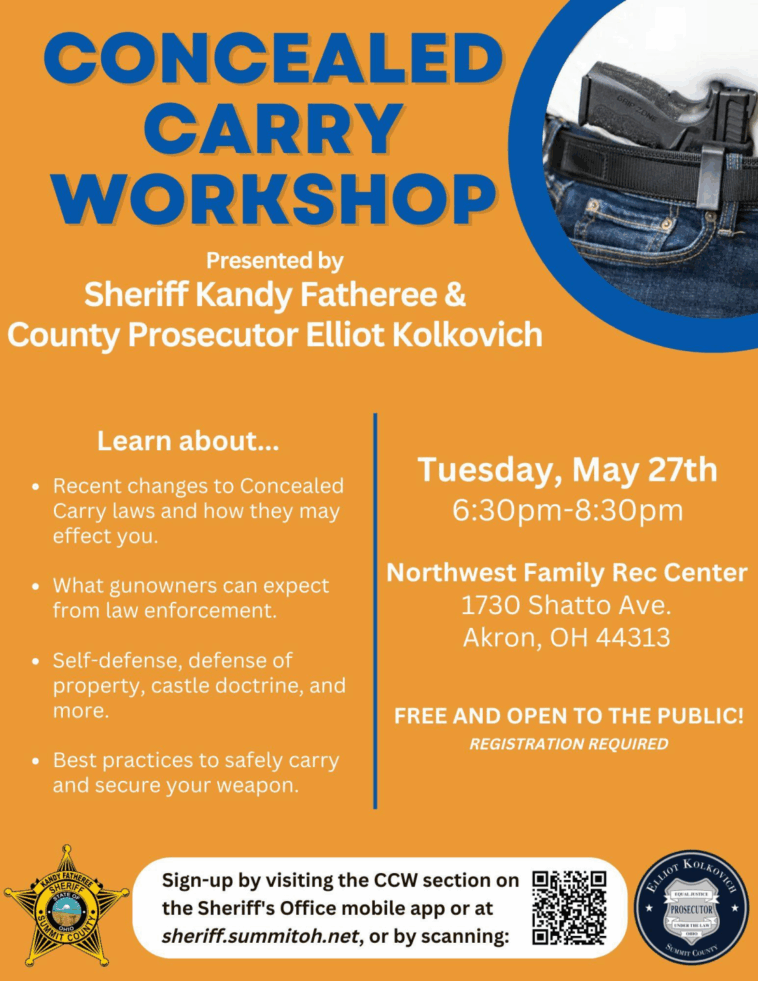
The recent event hosted by the Summit County Sheriff’s Office at the Northwest Akron Branch Library has brought to the forefront a much-needed conversation about firearm rights in Ohio. While many may view events like this as just another official meeting, there is a rich tapestry of issues—ranging from public safety to individual responsibility—that calls for a deeper discussion. In this opinion editorial, we will explore the tangled issues surrounding concealed carry rights, the public’s role in understanding these rights, and the ways in which community policing initiatives are trying to clear up the confusing bits of today’s firearm regulations.
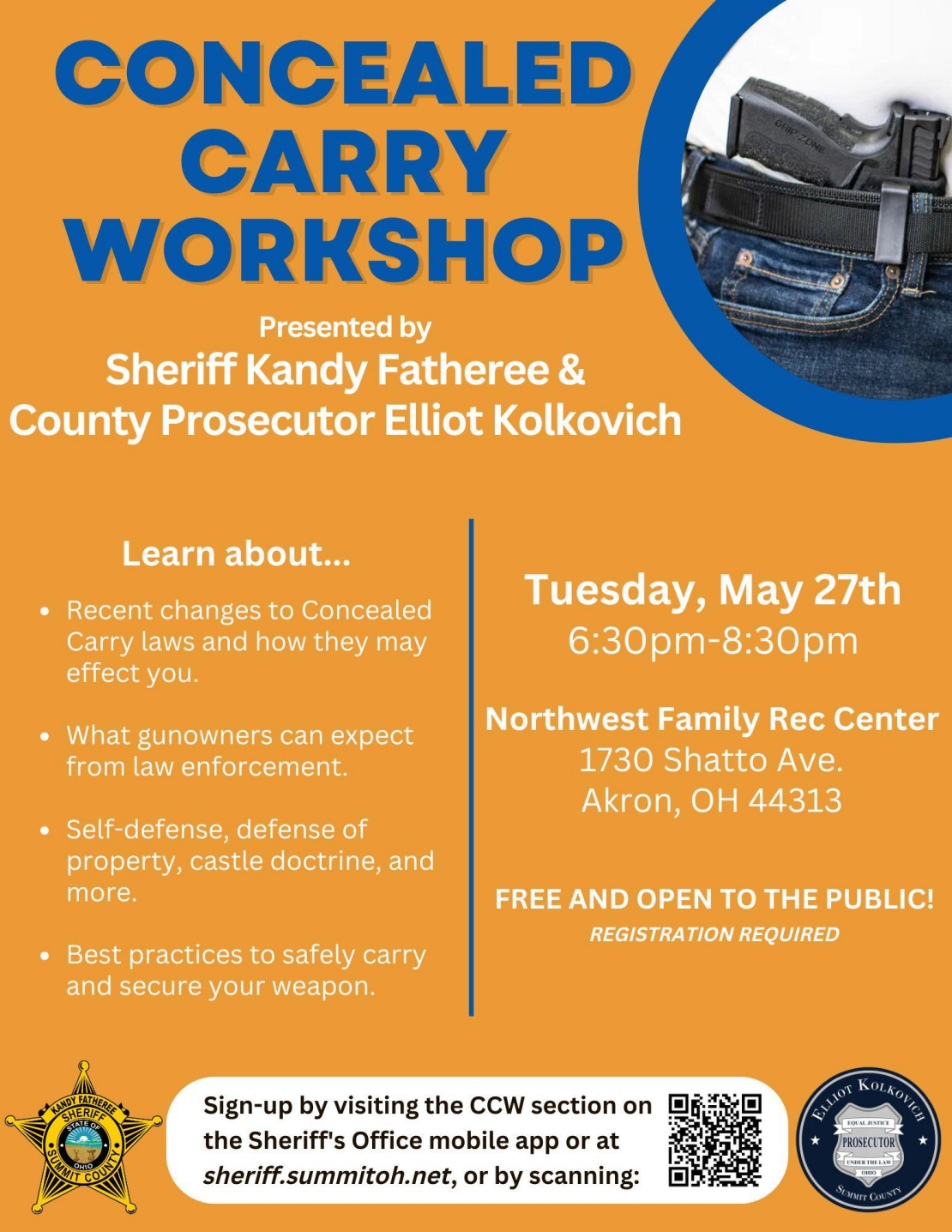
At a time when debates over gun rights are both heated and pervasive, workshops like these offer a refreshing opportunity to break down the intimidating aspects of firearm legislation. Instead of being overwhelmed by legal jargon, residents are invited to ask real questions, dig into the details of Ohio’s concealed carry laws, and engage directly with law enforcement professionals. The initiative, steered by Sheriff’s Office officials along with Summit County Prosecutor Elliot Kolkovich, aimed at clarifying the twists and turns of legal statutes that govern the realm of concealed weapons.
Understanding the Tricky Parts of Concealed Carry Laws in Ohio
The legal framework for concealed carry is filled with complicated pieces that often leave the general public both confused and cautious. Ohio, like many other states, has its own set of requirements, limitations, and responsibilities for citizens who choose to exercise their rights. In offering a forum for community education, the Summit County Sheriff’s Office has taken a significant step toward demystifying these tangled issues.
One of the main topics at the workshop was the presentation of Ohio’s concealed carry regulations. Law enforcement officials took the opportunity to dive in and explain that the rules are not designed to be an off-putting barrier but rather are a series of checks intended to promote public safety. When the Sheriff’s Office explained the legal framework, they made it clear that these guidelines were established to help residents understand both the privileges and the duties associated with carrying a concealed weapon.
For many, the idea of responsible gun ownership is riddled with tension and uncertainty. The event provided a safe space to ask questions about everything from necessary background checks to the proper handling of firearms in public. In essence, it was about helping citizens find their way through the fine points of the law without getting lost in the complicated legal maze.
Breaking Down the Confusing Bits: What Residents Need to Know
To better understand the scope and importance of the concealed carry workshop, it is essential to outline some of the key topics discussed:
- Eligibility Criteria: An explanation of who qualifies for a concealed carry permit, along with the necessary legal documentation required by the state.
- Safety Protocols: Detailed discussions on firearm safety measures, proper storage, and responsible handling practices.
- Legal Responsibilities: An overview of the rights and the duties that come with carrying a concealed weapon, stressing the importance of abiding by state laws.
- Interactive Q&A: Residents were encouraged to pose questions, leading to discussions that clarified tricky parts of the legal procedures and highlighted subtle details that are often overlooked.
This list exemplifies the breadth of topics covered during the session and underscores the event’s critical role in bridging the gap between legal theory and everyday practice. Workshops such as these are key for ensuring that firearm laws, despite their many twists and turns, do not remain on the periphery of public understanding.
Community Response: Digging Into Local Reactions and Engagement
The turnout at the workshop revealed a significant appetite for knowledge in the community. The event’s Facebook post extolled the active engagement and interesting questions posed by local residents. This positive response is indicative of a broader trend: when law enforcement takes the initiative to educate rather than merely enforce, the community is more likely to develop a balanced understanding of the law.
One of the compelling aspects of the workshop was its capacity to provide a platform for dialogue. Here are some observations on the community’s role in shaping these discussions:
- Active Participation: Citizens were not content with a one-sided lecture—they dove in with questions about personal safety, legal responsibilities, and the potential consequences of not following established protocols.
- Demand for Transparency: There exists a clear desire among residents to gain insight into how laws are made, interpreted, and enforced. This transparency helps alleviate any fears associated with the perceived “mystery” behind firearm laws.
- Peer-to-Peer Learning: The interactive nature of the event allowed community members to benefit from shared experiences and individual insights, fostering a collaborative environment where every question was seen as an opportunity to learn.
It is essential to recognize that events like these do more than just provide information. They empower citizens to take a closer look at the often intimidating and nerve-racking aspects of gun ownership, making the scary facets of the law less overwhelming and more approachable.
Community and Law Enforcement: Finding a Path Through the Labyrinth of Gun Regulations
The Ohio concealed carry laws, like similar regulations across the nation, are designed with community safety in mind. However, when these laws are not clearly explained or publicized, they tend to foster a sense of unease among those who might otherwise exercise their rights responsibly. This gap often leads to misconceptions and heightened tensions between law enforcement agencies and the public.
In organizing the CCW workshop, the Summit County Sheriff’s Office has taken a proactive stance. By facilitating these sessions, law enforcement is not only clarifying the legal text but is also allowing citizens to get into the nitty-gritty of what these laws mean for them personally. It is a step toward building trust in a system that many find loaded with problems and tense with potential for misunderstanding.
Building Bridges with Transparent Communication
When law enforcement decides to work through these convoluted legal matters with the public, the end result is a stronger, more informed community. Some takeaways from the workshop include:
| Aspect | Community Benefit |
|---|---|
| Clear Definitions | Residents better understand what constitutes lawful concealed carry and the responsibilities that come with it. |
| Safety Training | Providing practical advice on the safe handling and storage of firearms reduces accidents and misunderstandings. |
| Interactive Engagement | Opportunities for Q&A sessions help to address specific local concerns and build community rapport. |
| Legal Updates | Staying current with changes in legislation helps citizens understand evolving obligations and rights. |
Such tables help illustrate the methodical and heartfelt approach of the workshop, showcasing how critical it is to have clear communication about a subject that is full of those tricky parts.
Finding Your Way Through the Legal Maze: The Role of Public Workshops
Public events like the concealed carry workshop serve as beacons of clarity. They help residents figure a path through legislation that can often appear overwhelming and off-putting. In many ways, these sessions are a form of community self-help—arming citizens with the knowledge to manage their way through the swirling debates and legal stipulations that come with gun ownership.
It is important to appreciate that the success of such workshops is measured not only by the number of questions asked or the attendance figures but by the long-term trust built between local law enforcement and community members. This trust is the foundation of a society that respects the law without being ensnared by its more intimidating aspects.
Educational Initiatives: The Impact on Public Understanding of Firearm Laws
With rising gun ownership and increasing national debate over firearm regulation, educational sessions have become indispensable. A core objective of these initiatives is to dive in and simplify the terms of engagement between public officials and everyday citizens. As observers from across Ohio continue to seek information on concealed carry rights and responsibilities, the importance of these educational programs continues to grow.
The CCW workshop is a shining example of a community-oriented approach that prioritizes learning and discussion. By offering a comprehensive overview of relevant state laws and engaging community members in meaningful dialogue, the event set a precedent for future interactions between the law and the public.
The Ripple Effects of Knowledge: Empowering Responsible Gun Ownership
One must consider the broader implications of such workshops on responsible gun ownership. Educating the public does more than simply inform—it empowers. By ensuring that citizens are well-versed in the little details of firearm law, local authorities are actively reducing the potential for misinterpretation and inadvertent mishandling of firearms.
Some essential benefits of these sessions include:
- Enhanced Awareness: Educated citizens are better equipped to handle their responsibilities, again helping lessen the likelihood of accidental misuse.
- Community Cohesion: Open dialogue fosters a sense of collective responsibility, ensuring that both law enforcement and residents work together for the common good.
- Reduction in Misunderstandings: When the law is explained in plain language with clear examples, the blurred lines between rights and wrongs become far clearer.
- Prevention of Unintended Consequences: Knowledge of the correct procedures can help reduce legal missteps and the stressful consequences that sometimes follow unintentional violations.
The overarching lesson here is that with every new session of educational outreach, community members take control of their destiny, learning to manage their way through what might otherwise be a nerve-racking legal maze. It is a proactive step towards preventing conflicts and misunderstandings that can occur when laws seem loaded with issues and tension.
The Legal Perspective: Diving Into the Fine Points of Gun Policy
There is no denying that concealed carry laws come with their share of twists and turns—many of which are deeply embedded in historical context, public sentiment, and legislative precedent. From a legal perspective, it is both necessary and advantageous to take a closer look at these twists and turns, which are often filled with subtle shades of meaning.
Ohio’s concealed carry regulations, as explained during the workshop, are not merely arbitrary rules; they are carefully crafted measures intended to balance individual rights with the need for public safety. When authorities like the Summit County Sheriff’s Office and Prosecutor Kolkovich get into the nitty-gritty of these laws, they help demystify the hidden complexities that have long intimidated many citizens.
Clarifying Obligations: A Legal Breakdown for the Average Citizen
During the workshop, one of the focal points was to help residents figure a path through the maze of legal jargon. The sessions broke down essential terms and concepts such as:
- Permit Requirements: Detailed criteria that determine who is eligible to carry a concealed weapon legally.
- Use of Force: Guidelines on when it is legally acceptable to use a firearm in self-defense and the limitations imposed by the law.
- Legal Protections: An explanation of both the rights guaranteed to gun owners and the potential legal repercussions of any misuse.
Such breakdowns are not only helpful for first-time applicants but also serve as a refresher for seasoned gun owners. With clear and straightforward language, law enforcement officials worked to simplify the legal text into a digestible format. The aim was to ensure that the everyday citizen does not feel overwhelmed by the imposing language of legal theory.
Lessons Learned: Turning Legal Theory into Everyday Practice
There is a significant advantage when legal professionals take the time to explain complex legal concepts in everyday language. This approach helps bridge the gap between abstract legal theories and practical applications. For many attendees, the workshop served as a form of legal literacy training, turning intimidating pieces of the law into manageable, everyday instructions.
The workshop’s success lies in its power to make the law accessible. Here are some of the clear benefits observed:
| Legal Aspect | Everyday Application |
|---|---|
| Background Checks | Ensuring safe transactions and identifying potential red flags. |
| Concealed Carry Permits | Helping citizens understand and apply for permits without unnecessary complications. |
| Self-Defense Laws | Clarifying when it is justified to use a firearm to protect oneself and the limits of such actions. |
| Legal Recourse | Understanding the legal protections available to those who adhere to the rules and the potential liabilities if they do not. |
By crossing the gap between legal theory and everyday practice, such workshops are not only educational but transformative. They empower citizens to take ownership of their rights and responsibilities in a manner that is both respectful to the law and mindful of personal safety.
Community Safety and Responsible Gun Ownership: A Synergistic Relationship
The relationship between community safety and responsible gun ownership is indeed a two-way street. While many discussions about firearms tend to focus solely on the potential hazards, it is crucial to also highlight the ways responsible ownership can actually enhance community protection. This dual perspective is visible in the way local authorities approached the workshop.
The clear objective was to foster an environment where safety protocols and mutual trust are the cornerstones of both public policy and individual action. The event demonstrated that when citizens are provided with the necessary knowledge, they are better positioned to contribute positively to community safety. This approach helps to mitigate the negative perceptions often associated with gun ownership, replacing fear with informed responsibility.
The Impact of Clear Communication on Community Trust
One of the most significant takeaways from the event was how clear and open communication can directly lead to improved community relations. In the context of the concealed carry workshop, clarity in communication served several essential roles:
- Building Trust: When law enforcement explains the rules and expectations in plain language, it reinforces the idea that these regulations are designed for public benefit.
- Reducing Fear: For residents who might feel anxious about the responsibilities of gun ownership, having a detailed and interactive session can alleviate concerns about legal repercussions and safety protocols.
- Empowering Citizens: Transparency in the education process equips citizens with the tools they need to responsibly exercise their rights, rather than being left to guess the intentions behind the laws.
Ultimately, the positive community response reflects a genuine interest in working through the complicated pieces of firearm legislation together. By removing the intimidating barriers commonly associated with legal jargon, the workshop has set an example for what community policing and public education should resemble.
Taking the Wheel on Public Safety: The Path Forward
The structured approach of the Summit County Sheriff’s Office in hosting these educational sessions illustrates a fundamental belief in community partnership. The importance of taking the wheel on public safety cannot be overstated, especially in a time when debates over personal rights and community obligations run high.
Such events not only help demystify the subtle details of firearm laws but also encourage civic participation in essential public safety programs. It is a model that could well be adapted by other jurisdictions facing similar challenges in their legal landscape.
Opportunities for Future Initiatives
Looking ahead, there are several key areas where additional educational initiatives could have an even greater impact:
- Regular Updates: Hosting periodic workshops to update the community on any changes in legislation will help maintain clarity and reduce confusion over time.
- Expanded Topics: Integrating topics such as safe firearm storage, conflict de-escalation techniques, and emergency response protocols could provide a more rounded approach to public safety.
- Collaborative Forums: Encouraging collaboration between local law enforcement, legal experts, and community leaders can create a more holistic and trustworthy dialogue around gun regulations.
- Digital Outreach: Utilizing social media platforms and community websites to supplement in-person workshops can help broaden the reach and accessibility of this vital information.
These suggestions are not only about improving public knowledge of firearm laws—they are about fostering an environment where every resident feels confident in their understanding of how to manage their rights responsibly. When communities feel educated, they are much better equipped to engage in the ongoing conversation about public safety and legal accountability.
Community-Centric Policy: A Recipe for Safer Neighborhoods
When legal experts and community leaders come together, there is a unique opportunity to build policies that are as practical as they are just. The concealed carry workshop is a testament to the fact that when the local government and law enforcement provide clear, accessible education, residents are more likely to participate actively in making their neighborhoods safer.
The relationship between responsible gun ownership and community safety is multifaceted. It involves understanding the legal requirements, adhering to rigorous safety standards, and actively contributing to the collective well-being of the community. This relationship is defined by the mutual benefits of an informed citizenry and a transparent, accountable legal system.
Reflections on the Workshop and Its Broader Implications
From a broader perspective, the Summit County Sheriff’s Office’s initiative is not just about firearms education—it is a statement about the importance of community collaboration in today’s tense legal and social environment. The workshop was emblematic of a proactive approach to addressing those nerve-racking parts of law and policy that often leave citizens feeling overwhelmed.
By offering a detailed, engaging session, the Sheriff’s Office and local legal authorities have provided a model for how to effectively communicate complicated legal matters without alienating the public. They demonstrated that by peeling back the layers of legalese, it is entirely possible to foster a more informed and trusting relationship between law enforcement and the community.
Equally important, this event highlights the need for continuous dialogue. As public policies evolve in response to changing societal needs, so too must the methods of communication and education. There is a continuous need for forums, workshops, and digital initiatives that aim to keep residents informed about the small distinctions and subtle parts of the law that impact their everyday lives.
Critically Assessing the Long-Term Benefits
In the long run, the benefits of such educational initiatives extend far beyond the walls of a library or the confines of a single workshop. They contribute to a broader culture of legal literacy and civic responsibility. Some of the long-term benefits include:
- Enhanced Civic Engagement: Citizens who are well-informed about their rights and responsibilities are more likely to participate in community debates and policymaking processes.
- Improved Public Safety: With a deeper understanding of legal protocols and safety measures, communities become more resilient and better prepared to handle emergencies.
- Reduced Legal Conflicts: Education helps mitigate the risk of misunderstandings and inadvertent legal missteps, thereby contributing to a safer, more cohesive society.
- Strengthened Trust: Ongoing transparency and open dialogue build trust between residents and law enforcement, which is critical for effective community policing.
As we continue to witness the evolution of gun regulations, both at the state and national levels, it is super important that workshops like these serve as a continuous reminder of the power of education. They provide citizens with the insight needed to not only understand the law but to actively contribute to its ongoing interpretation and refinement.
Conclusion: A Call for Ongoing Dialogue and Community Empowerment
In conclusion, the Summit County Sheriff’s Office’s CCW workshop stands as a beacon for how law enforcement agencies can bridge the gap between complex legal codes and everyday understanding. By turning a typically intimidating process into an accessible learning experience, the event has set a powerful precedent for proactive community engagement.
Through clear communication, interactive dialogue, and a commitment to transparency, such initiatives play a definitive role in ensuring that residents are not left in the dark about their rights and responsibilities. In doing so, the community is better equipped to manage its way through the challenging legal landscape of firearm regulations.
This workshop is a prime example that when experts and everyday citizens come together, the fine points of even the most intimidating laws can be transformed into manageable, practical guidelines that safeguard individual rights while promoting overall public safety. It reminds us that every community has the power to take the wheel on its own safety through collaboration, education, and an unyielding commitment to understanding and respecting the law.
As Ohio and many other states continue to refine their approaches to gun regulation, events like this should be heralded as models of clear and effective public outreach. It is through continued dialogue and active participation that we can steer through the challenging pieces of our legal system and build a society where everyone understands not only their rights but also their duties as responsible members of the community.
Looking forward, the hope is that more communities will adopt similar educational initiatives. Let this workshop serve as a call to action: a reminder that responsible gun ownership and community safety are inextricably linked. With every effort to improve public engagement and legal literacy, we are one step closer to a more informed, empowered, and safer society.
Ultimately, the success of such endeavors rests on our collective ability to talk openly about even the nerve-racking topics that have traditionally divided opinion. By finding your way through complicated pieces of legislation with the help of knowledgeable law enforcement officers and legal experts, residents not only become more confident in defending their rights but also contribute to a stronger, more unified community.
In a world where the law can often seem full of problems and the legal process loaded with issues, events like the Summit County Sheriff’s Office’s CCW workshop remind us that knowledge is the key to overcoming fear and uncertainty. With every clear explanation and every opportunity for public engagement, we build a future where the once intimidating legal maze becomes a well-charted path—one that everyone can navigate with confidence and clarity.
For those invested in community safety and the responsible exercise of firearm rights, this event is not just an isolated moment in time; it is part of a larger movement towards informed citizenship and active, engaged dialogue. And that, in the end, is how we ensure that our laws work for us, rather than the other way around.
Originally Post From https://hoodline.com/2025/05/summit-county-sheriff-s-office-hosts-educational-ccw-workshop-in-akron-to-inform-residents-on-firearm-rights/
Read more about this topic at
Online Concealed Carry Course | Concealedcarry-ed.com™
Minimum Standards For New York State Concealed Carry …