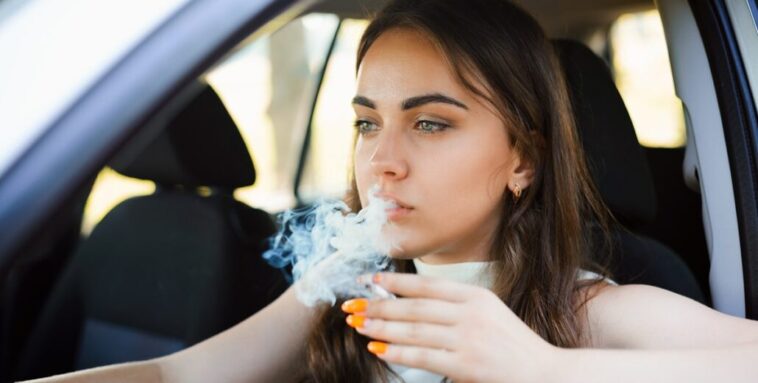

Marijuana DUI in Arizona: A Closer Look at the Law and Enforcement Methods
In recent years, a surge in marijuana legalization – both for medicinal and recreational use – has stirred up heated debates on the state’s roads. Even though cannabis is legal in Arizona, driving under the influence of marijuana remains a criminal offense. In this opinion editorial, we take a closer look at Arizona’s DUI regulations regarding marijuana, how law enforcement detects impairment, and what drivers can expect during a DUI arrest. We also examine the range of challenges, tricky parts, and overwhelming issues that both drivers and legal professionals face when sorting out such cases.
Understanding Arizona’s Marijuana DUI Laws
Arizona’s legal framework is clear: A driver can be charged with a DUI if they exhibit any signs of impairment – even if active marijuana metabolites are in the system below a set threshold. The state law does not rely on a strict “legal limit” for THC levels, unlike the familiar 0.08 BAC used for alcohol offenses. Instead, the focus is on whether a driver’s ability to operate a vehicle safely is compromised.
According to ARS § 28-1381, if a person is “impaired to the slightest degree” while behind the wheel, they can face a DUI charge, whether that impairment comes from alcohol or marijuana. This legal approach has led to some confusing bits and tangled issues, as it significantly hinges on observational evidence and nuanced interpretations of intoxication, rather than a concrete number from a lab test.
The law’s emphasis on impairment introduces several fine points that can create nerve-racking complications for both drivers and legal practitioners. Proving that impairment has occurred involves a multifaceted process, where law enforcement relies on field assessments, expert opinions, and sometimes subjective evidence – all of which can be challenged in court.
Key Provisions in Arizona’s DUI Legislation
When it comes to a Marijuana DUI case, the state’s statutes focus on these aspects:
- Impairment must be demonstrable – a mere presence of THC or metabolites is not sufficient to prove the driver was dangerously impaired.
- Both active and inactive metabolites are considered, although the state is required to show that the metabolites present were active and capable of affecting driving performance.
- Law enforcement officers are trained to observe behavioral cues, which introduces additional challenging bits – the twist is that these observational methods can sometimes be subjective.
These provisions, while crafted to ensure road safety, can sometimes lead to contentious legal battles when the evidence is less than clear-cut.
How Police Detect Marijuana Impairment on the Road
During a routine traffic stop, the detection of marijuana impairment can rapidly evolve from a standard check to a nerve-racking incident for any driver. Officers are equipped with a range of observation-based techniques to decide if a driver is impaired, and they do not have a quick, mechanical method like an alcohol breathalyzer for marijuana.
Let’s dive into some of the typical measures used by police when making an arrest for marijuana DUI:
- Initial Observation of Driving Behavior: Officers note erratic behavior such as weaving, inconsistent speed, or poor lane discipline.
- Physical Cues During Stop: The presence of red or glassy eyes, the odor of marijuana, or even slowed responses when answering questions raises red flags.
- Field Sobriety Tests (FSTs): Tests such as the walk-and-turn, one-leg stand, or horizontal gaze nystagmus are administered to gauge motor coordination and reaction time.
- Blood Tests and Expert Assessments: If impairment is suspected, a blood test may be requested, and sometimes a call is made to a Drug Recognition Expert (DRE) to perform deeper evaluations.
These steps represent the state’s method for collecting evidence that a driver was impaired to the slightest degree at the time of the stop. However, each step carries its own set of complicated pieces and small distinctions that can create considerable legal debate.
Examining the Role of Drug Recognition Experts (DREs)
Drug Recognition Experts, or DREs, play a critical role in marijuana DUI cases. They are specially trained officers certified to perform a comprehensive 12-step evaluation of a driver suspected of being under the influence of drugs when standard alcohol tests are inconclusive.
The involvement of DREs can be a double-edged sword. On one hand, their expertise lends additional weight to a DUI charge; on the other, their conclusions hinge on several subjective observations and fine points that can be challenged in court. The following list outlines the typical responsibilities of a DRE:
- Measuring vital signs such as pulse and blood pressure.
- Evaluating physical indicators like pupil size and muscle tone.
- Reviewing the subject’s medical history and personal statements.
- Administering various psychophysical tests to assess impairment.
- Requesting blood tests to analyze THC levels.
Defense attorneys often point out that these evaluations might be swayed by factors unrelated to marijuana use – such as fatigue, stress, or even prescription medications. This creates a web of small distinctions that can potentially lead to a legal misinterpretation of the facts.
Interpreting THC Blood Tests and Metabolites
One of the most contentious aspects of marijuana DUI cases lies in understanding THC blood tests. Unlike the relatively straightforward measurements of alcohol intoxication, THC infuses several nuanced layers into a DUI analysis.
Key points regarding THC blood tests include:
- No Defined Threshold: There is no universally agreed-upon limit that proves intoxication in the same clear-cut manner as alcohol.
- Variability in Consumption Methods: Smoking, vaping, or ingesting edibles can lead to different THC levels and patterns of metabolite production.
- Persistence of Metabolites: THC metabolites can linger in the body for days or even weeks after consumption, yet this does not necessarily indicate impairment at the time of driving.
The analytical complexity arises when prosecutors attempt to prove that a driver’s blood contained active THC or metabolites capable of causing impairment. The state courts require evidence that these metabolites were actively affecting the driver’s performance during the incident.
A table comparing the differences between alcohol and marijuana DUI tests might help clarify these issues:
| Aspect | Alcohol DUI | Marijuana DUI |
|---|---|---|
| Testing Method | Breathalyzer, Blood Test | Blood Test, DRE evaluations |
| Legal Threshold | 0.08 BAC | No specific legal limit; focus on impairment |
| Detection Window | Hours (depending on consumption) | Days or weeks (presence of metabolites) |
| Influencing Factors | Body weight, tolerance | Consumption method, frequency, individual metabolism |
This table emphasizes the intricate differences between alcohol and marijuana DUI cases – a distinction that often leads to loads of problems and nerve-racking legal debates.
How Medical Marijuana Users Are Affected
Many Arizona residents lawfully use marijuana for medicinal purposes. However, a common misconception is that a legal medical card serves as a carte blanche to drive safely at all times. Even patients with valid medical marijuana authorization can face DUI charges if they are found to be impaired while driving.
A few points on medical marijuana users and DUI implications include:
- Legal Use vs. Impairment: Possessing a medical marijuana card does not grant immunity from DUI charges if the driver shows any signs of being impaired.
- Active Metabolite Requirement: As with non-medical cases, prosecutors must demonstrate that active THC metabolites were present and interfering with the driver’s capability.
- Defense Challenges: Defense attorneys sometimes leverage the medical nature of the use to argue lower levels of impairment; however, even a slight degree of impairment can be grounds for a DUI in Arizona.
It is essential for any medical marijuana user to understand that while they are entitled to use marijuana legally, they must also be super cautious when operating a vehicle. The fine line between lawful use and driving impairment introduces several challenging bits into these cases.
Common Physical and Behavioral Indicators of Marijuana Impairment
Arizona police are trained to look for specific physical and behavioral cues to support a marijuana DUI charge. While these indicators might seem straightforward, they are often loaded with subjective interpretations, making a clear-cut case difficult. Some of the common signs include:
- Slowed reaction times and coordination issues
- Dilated or bloodshot eyes
- Drowsiness or confusion during interaction
- The smell of marijuana inside the vehicle
- Difficulty following field sobriety test instructions
Often, both dash and body camera footage are utilized to document these subtle details. However, these recordings can be a double-edged sword; they provide concrete evidence to support an arrest but also offer potential grounds for compelling counterarguments if the footage does not conclusively show impairment.
Penalties for a First-Time Marijuana DUI Offense
For a first-time marijuana DUI offense in Arizona, the penalties can be severe and are intended to act as a strong deterrent. Typically, the first offense is charged as a Class 1 misdemeanor, which comes with a host of additional punishments that go beyond just a court appearance. The range of penalties includes:
- Jail Time: A minimum of 10 days can be imposed, though in some circumstances, part of that sentence may be suspended based on completing a drug treatment program.
- License Suspension: Generally, a suspension lasting up to 90 days is typical, with a portion of that period potentially allowing for restricted driving privileges.
- Fines and Surcharges: Offenders may be subject to fines that can reach up to $2,500, including various assessments and court fees.
- Ignition Interlock Device: In cases where multiple substances are involved, the installation of an interlock device might be required.
- Additional Conditions: Mandatory community service, probation, or drug screening can further complicate a DUI record.
These penalties are not only punitive; they are designed to reinforce public safety by discouraging impaired driving. For many drivers, even a first offense has long-lasting impacts on employment, educational opportunities, and overall quality of life.
Legal and Practical Defense Strategies for Marijuana DUI Cases
When facing a marijuana DUI charge, the defense can be as complicated as it is challenging. With several twists and turns involved in each case, it is crucial to have legal representation that can find a path through the maze of evidence and challenge each piece of the prosecution’s case. Experienced DUI defense attorneys often employ multiple strategies to counter the charges. Here are some common defense tactics:
- Questioning the Validity of the Traffic Stop: If the initial stop was made without clear probable cause, evidence gathered during the stop might be deemed inadmissible.
- Arguing Insufficient Evidence of Impairment: A positive THC test does not automatically prove impairment. The defense may challenge whether the THC levels present were capable of affecting driving performance.
- Highlighting Faulty Testing Procedures: Contamination or improper handling of the blood sample can raise doubts about the reliability of THC test results.
- Medical Marijuana Defense: In cases involving medical marijuana users, the defense might argue that the presence of THC was a result of lawful use, not impairment.
- Disputing DRE Assessments: Given that Drug Recognition Expert evaluations are built on subjective observations, their conclusions can be cross-examined and challenged as being overly reliant on personal judgment.
These defenses, while promising, require a deep dive into the confusing bits of evidence collection and the small distinctions that separate mere THC presence from active impairment. Skillful attorneys will comb through all available evidence – including body camera footage, field sobriety test records, and lab reports – to piece together a counterargument that can potentially reduce or even dismiss the charge.
Expert Opinion: Balancing Public Safety and Individual Rights
From a policy standpoint, Arizona’s approach to marijuana DUI attempts to reconcile two competing priorities: ensuring public safety while not unduly penalizing individuals who use marijuana responsibly. The state’s zero-tolerance for any sign of impairment might appear overly strict, yet it is a measure aimed at preventing accidents on the roads.
Many legal experts argue that while this approach keeps the public safe, it can sometimes result in charges that feel a bit off-putting or unfair, particularly when drivers demonstrate only minimal signs of impairment. The legal landscape is loaded with problems when a driver’s rights and public safety are pitted against each other. The subtle differences between mild impairment and dangerous intoxication can be tough to prove beyond a reasonable doubt, leaving room for legal debate.
The risk of triggering a DUI charge for having even a trace of active THC in your bloodstream – in the absence of any clear evidence of impairment – creates a nervous environment for those who use marijuana legally. A more balanced approach might allow for greater discretion during arrests and provide more robust defenses to ensure that only those truly impaired face the full weight of the law.
Maintaining a Fair and Effective DUI System
As technology and testing methods evolve, the way law enforcement deals with marijuana DUIs may also need to change. Calls for more reliable testing methods, such as improved devices capable of measuring THC-induced impairment, are growing louder in legal circles. Many experts advocate for newer, scientifically sound tests that would minimize the subjective nature of current assessments, similar to the breathalyzer tests used for alcohol.
Furthermore, standardizing the procedures and training for Drug Recognition Experts across all jurisdictions could help minimize the twisted issues that sometimes arise during evaluations. Such changes might pave the way for a fairer system that effectively filters out false positives while still maintaining the key objective of keeping roads safe.
In order to create a balanced system, lawmakers and legal professionals must work together to review current practices, gather the latest scientific research, and consider amendments that will clarify the fine points of what truly constitutes impairment. The ultimate goal should be to protect both the well-being of the public and the rights of concerned drivers.
Steps to Take if You Are Facing a Marijuana DUI Charge
If you find yourself in the unnerving situation of facing a marijuana DUI charge, early legal intervention is super important. The sooner you get into contact with a seasoned DUI attorney, the better your chances of mitigating the charges. Here are some key steps drivers should consider if they face such a scenario:
- Request a Case Review: Quickly consult with a legal professional who can review the details of your arrest, including the circumstances surrounding the traffic stop and any evidence collected.
- Gather All Evidence: Retain a copy of body camera footage, police reports, and lab results. These can be pivotal in challenging the prosecution’s narrative.
- Explore All Defense Options: Work with your lawyer to explore every possible angle – whether it involves challenging the validity of the stop, disputing the testing methods, or arguing a medical marijuana defense.
- Be Transparent with Your Attorney: Full disclosure about your marijuana use, including any prescriptions or medical authorizations, will help your attorney build a more nuanced defense strategy.
- Consider the Long-Term Implications: A DUI conviction can have lasting effects on your record. Weigh the options available and pursue a resolution that minimizes future complications.
An experienced DUI defense attorney will help you work through these steps, clarifying each of the subtle parts that combine to form the overall case. Whether you live in Tempe, Scottsdale, Mesa, or another part of Arizona, personalized legal guidance can be crucial in figuring a path through the maze of legal and practical challenges.
Legal Resources and Assistance for Affected Drivers
In facing a marijuana DUI charge, you must know that you are not alone. There are several resources available for drivers who find themselves tangled in the legal system:
- Legal Consultation Services: Many law firms offer free, confidential consultations to help drivers understand their legal situation without any initial financial obligations.
- Court Self-Help Resources: Arizona provides resources and guidance for individuals wishing to represent themselves, though professional legal assistance is often recommended.
- Community Support Groups: Organizations dedicated to DUI education and prevention can offer support, not only in navigating your current legal predicament but also in preventing future incidents.
- Online Legal Forums: Many online platforms allow users to share experiences and receive advice from individuals who have faced similar troubling situations.
Having access to these resources can be reassuring, especially when the twists and turns of a DUI case start feeling overwhelming. It is both critical and super important to tap into these networks early in the process.
Case Studies: Lessons from the Field
Real-world examples offer valuable insights into how marijuana DUI cases are handled in practice. Consider the following general scenario:
A 22-year-old university student is pulled over near a popular nightlife district in Tempe. The officer notices the smell of marijuana, and the student’s behavior suggests slowed reaction times and confused responses during field sobriety tests. Even though the student asserts that they consumed marijuana several hours earlier, the cumulative evidence leads to a blood test that confirms the presence of active THC metabolites. In court, the defense challenges the reliability of the field tests and disputes the accuracy of the lab results, arguing that environmental factors could have distorted the results.
This case, like many others, underlines a recurring theme in marijuana DUI cases: the need to balance public safety with a fair determination of impairment. The nuances of each case – from observation at the roadside to evidence evaluated by experts – underscore why legal representation with a deep understanding of these challenging pieces is essential.
Looking Forward: Future Directions in Marijuana DUI Enforcement
As society continues to adapt to changing attitudes toward marijuana, the legal landscape around DUI offenses is likely to evolve as well. Several potential future directions may help ease some of the nerve-racking issues currently encountered:
- Improved Testing Technology: Researchers are working on more reliable roadside testing methods that could provide objective measures of impairment, reducing reliance on subjective observations.
- Refined Legal Standards: Ongoing legal debates and court rulings may eventually lead to clearer definitions of what constitutes impairment by marijuana.
- Enhanced Training Programs: Expanding and standardizing the training for both field officers and DREs could increase consistency in how evidence is gathered and interpreted across various jurisdictions.
- Policy Revisions: Legislative initiatives aimed at balancing rights and safety might introduce new guidelines that better distinguish between residual THC presence and actual driving impairment.
Each of these potential advancements carries the promise of making the process of addressing marijuana DUI offenses less intimidating and more scientifically grounded. In time, these improvements could lead to a system that more accurately reflects the actual risk posed by drivers under the influence of marijuana, while also providing fairer treatment to those whose rights might otherwise be compromised.
Final Thoughts: Balancing Safety, Rights, and Legal Fairness
Marijuana DUI laws in Arizona represent just one aspect of the state’s ongoing effort to maintain road safety amid changing societal norms regarding cannabis use. The law is designed to protect everyone on the road by ensuring that any sign of impairment, however slight, is taken seriously. Yet, this approach can sometimes lead to nerve-racking situations for drivers who use marijuana legally, as well as tangled legal disputes over evidence, testing methods, and observational accuracy.
It is essential for all stakeholders – law enforcement, lawmakers, and legal advocates – to work together to find a workable balance. While public safety must remain the top priority, the rights of individuals must not be overlooked in the quest to enforce DUI regulations. Legal experts and attorneys continue to take a critical look at current methods, striving to find paths through the confusing bits that separate mere THC presence from genuine impairment.
For anyone facing a marijuana DUI charge in Arizona, early intervention by a knowledgeable attorney can make a significant difference. Skilled legal representation can help dissect the little details of your case, question key evidence, and potentially shift the outcome towards a more favorable resolution. With changes on the horizon and technology continually improving, the hope is that future legal processes will become less intimidating and more accurate, ensuring that justice is served fairly both for drivers and the community at large.
Conclusion: Making Your Way Through a Marijuana DUI Case
Navigating the maze of marijuana DUI cases in Arizona may seem overwhelming, but understanding the core legal principles, the methods of evidence collection, and your own rights in the situation is key to managing your path through the process. Whether you are simply curious about the state’s approach or you are actively facing charges, being well-informed is a must-have tool in these situations.
While the current system is riddled with challenging bits and subtle parts that can give rise to tense legal debates, ongoing discussions among experts and improvements in testing technology promise to smooth out the rough edges. For now, meticulous legal defense and thorough reviews of every element of a DUI case remain the best strategies for those caught in the system.
The ultimate goal is clear: Protecting public welfare on the roads while ensuring that every driver’s rights are respected. By keeping abreast of legal developments and engaging early with experienced counsel, drivers can better steer through the complex and evolving world of marijuana DUI laws in Arizona.
As Arizona continues to adapt to new realities in cannabis use, both the law enforcement techniques and judicial processes will likely undergo further refinement. Until then, every driver is advised to drive responsibly, understand the potential legal repercussions of any impairment, and seek legal advice promptly if ever confronted with a DUI situation.
This balanced approach, which respects both public safety and individual rights, is essential in creating a fair and effective legal system – one that works for everyone on the road.
Read more about this topic at https://arjashahlaw.com/dui-defense/check-for-marijuana-dui/
Related articles you might like
New Mexico Marijuana DWI: What You Should Know
Can You Be Arrested for Driving Under the Influence …